How to Buy Bitcoin: A Step-by-Step Guide for 2024 provides a comprehensive roadmap for navigating the digital asset landscape. This guide dives into the intricacies of Bitcoin, from its fundamental principles to securing your holdings. Understanding the diverse methods of purchase, transaction specifics, and essential security measures are crucial for anyone venturing into the world of crypto. This detailed exploration will equip you with the knowledge to confidently buy Bitcoin, mitigating potential risks while capitalizing on opportunities.
Bitcoin’s rise as a global phenomenon has spurred a demand for accessible and reliable information. This guide serves as a valuable resource for both newcomers and seasoned investors, offering clear, concise steps for navigating the complexities of Bitcoin acquisition. From wallet setup to transaction protocols, each stage is thoroughly examined, empowering you to make informed decisions throughout your Bitcoin journey.
Introduction to Bitcoin
Bitcoin, a digital or cryptocurrency, is more than just a trendy investment; it’s a revolutionary way to send and receive money globally. Imagine a peer-to-peer system, completely independent of banks and governments, enabling secure and instant transactions. This decentralized nature, built on complex cryptography, has captured the attention of millions worldwide, sparking both excitement and skepticism. Understanding its core principles is key to navigating the world of Bitcoin.Bitcoin operates on a distributed ledger technology called blockchain.
Navigating the digital realm of Bitcoin, a 2024 guide unveils secrets to its purchase. Just as a shrewd investor might seek legal counsel, understanding the intricacies of the market is key. A seasoned professional, like an Aggressive Insurance Lawyer Who Knows How to Win Big , can navigate complex financial landscapes. This meticulous guide will empower you to master the digital currency, unlocking its potential for growth and prosperity.
This means every transaction is recorded on a public, transparent, and immutable record that’s replicated across a network of computers. This cryptographic system ensures security and prevents fraud, making it a powerful tool for financial transactions. Think of it as a digital cash register, but with an incredibly secure and transparent record of every transaction.
Navigating the digital realm of Bitcoin acquisition in 2024 requires a keen eye and a steady hand. Delving deeper into the intricacies of cryptocurrency, one must understand the nuances of various platforms. For a comprehensive understanding of the market landscape, explore the insightful resources at Media Suma , a valuable source for staying informed. Ultimately, understanding these factors is key to a successful Bitcoin purchase, guided by a thorough and step-by-step approach.
Bitcoin’s History
Bitcoin’s journey began in 2009 with the publication of a whitepaper by Satoshi Nakamoto, a pseudonymous creator. This groundbreaking document Artikeld the concept of a decentralized digital currency. Subsequent years witnessed significant milestones, including the first Bitcoin transaction and the development of the first Bitcoin exchanges. These developments laid the foundation for Bitcoin’s adoption and integration into the financial world.
The emergence of Bitcoin marked a pivotal moment in the evolution of digital finance, challenging traditional financial systems and opening up new possibilities.
Fundamental Principles of Bitcoin
Bitcoin’s operation relies on a sophisticated combination of cryptography and distributed ledger technology. Transactions are verified and added to the blockchain through a process called mining, where specialized computers solve complex mathematical problems. This process not only secures the network but also creates new Bitcoins, a process known as “mining.” The limited supply of Bitcoin, capped at 21 million coins, contributes to its perceived value and scarcity.
This built-in scarcity is a key element in Bitcoin’s design.
Types of Bitcoin Wallets
Different types of Bitcoin wallets cater to various needs and security preferences. Understanding these options is crucial for safe and convenient management of your Bitcoin holdings.
- Software Wallets: These wallets are installed on your computer or mobile device. They provide a user-friendly interface for managing your Bitcoin, but security depends heavily on the software’s security measures and your device’s protection. For example, a robust and regularly updated software wallet can provide significant security advantages.
- Hardware Wallets: These are specialized devices designed specifically for storing Bitcoin. They offer a high level of security, as the private keys are stored offline on the device itself. Hardware wallets are a popular choice for individuals seeking enhanced security, particularly for substantial Bitcoin holdings.
- Mobile Wallets: Mobile wallets are applications downloaded to your smartphone or tablet. These wallets are convenient for on-the-go access and management of your Bitcoin holdings. However, they can be vulnerable if your device is compromised. Users should prioritize secure mobile devices and robust wallet applications.
Bitcoin’s Role in the Financial Landscape
Bitcoin’s impact on the financial landscape is undeniable. It has introduced the concept of decentralized finance, offering alternatives to traditional banking systems. While not without its challenges, Bitcoin’s potential to disrupt existing financial structures is undeniable. The introduction of Bitcoin has spurred innovation and competition within the financial industry. Its impact is still unfolding, and the future of Bitcoin in the financial world remains an area of intense interest and debate.
Setting up a Bitcoin Wallet: How To Buy Bitcoin: A Step-by-Step Guide For 2024
Welcome to the exciting world of Bitcoin! Now that you understand what Bitcoin is, let’s dive into the practical side of owning some. A Bitcoin wallet is your digital vault for holding your Bitcoin. Think of it as your online bank account, specifically for cryptocurrencies. Just like any bank account, security is paramount. This section will guide you through the process of creating and securing your Bitcoin wallet.
Creating a Bitcoin Wallet
Setting up a Bitcoin wallet is straightforward. The process typically involves choosing a wallet type, providing necessary information, and verifying your identity. Different wallet types offer varying levels of security and functionality. Some wallets are designed for simple storage, while others provide advanced features like sending, receiving, and managing transactions. Choose a wallet that aligns with your needs and comfort level.
Securing Your Bitcoin Wallet
Wallet security is paramount. Your Bitcoin is only as secure as your wallet. A compromised wallet can lead to the loss of your entire Bitcoin holdings. Protecting your wallet from theft requires a multi-layered approach. This includes strong passwords, two-factor authentication, and keeping your wallet software up-to-date.
Importance of Wallet Security and Best Practices
Robust security measures are critical for safeguarding your Bitcoin. Never share your wallet’s private keys or passwords with anyone. Always keep your wallet software updated to patch potential vulnerabilities. Avoid using public Wi-Fi networks for sensitive wallet transactions. Consider using a hardware wallet for enhanced security.
A hardware wallet is a physical device that stores your private keys offline, offering a higher level of protection against hacking and online threats.
Secure Bitcoin Wallet Providers
Choosing a reputable wallet provider is essential. A list of trusted providers, categorized by type, is provided below:
- Desktop Wallets: These are installed on your computer and offer more control over your Bitcoin. Examples include Electrum, Bitcoin Core, and Armory.
- Mobile Wallets: These are convenient for on-the-go access. Examples include Blockchain, Exodus, and Jaxx.
- Hardware Wallets: These provide the highest level of security by storing your private keys offline. Examples include Ledger Nano S, Trezor, and Coldcard.
Step-by-Step Guide for Downloading and Installing a Bitcoin Wallet on a Computer (Example: Electrum)
This guide details how to download and install a desktop Bitcoin wallet, using Electrum as an example. Electrum is a popular and secure open-source wallet.
- Download: Visit the Electrum website and download the appropriate installer for your operating system (Windows, macOS, or Linux).
- Installation: Run the installer and follow the on-screen instructions. Choose a suitable location for the installation.
- Setup: The wallet will prompt you to create a wallet and set up your Bitcoin address. Be sure to create a strong password and store it securely.
- Verification: Electrum uses a security verification process. This may involve scanning a QR code, confirming your email address, or similar measures to validate your identity.
Setting up a Mobile Bitcoin Wallet
Mobile wallets are a convenient alternative to desktop wallets. These wallets are available on app stores for Android and iOS devices. They are designed for portability and quick access to your Bitcoin holdings. The steps to set up a mobile wallet are generally similar to desktop wallets. However, they are usually easier to use because of the app format.
Download the wallet app from the relevant app store, follow the on-screen instructions, and create a strong password. Use a strong and unique password that is not used for any other online accounts.
Purchasing Bitcoin
Welcome to the exciting world of Bitcoin acquisition! Now that you’ve set up your wallet, it’s time to actually get some Bitcoin. This section details the various methods available, highlighting the pros and cons of each. From traditional exchanges to more obscure avenues, we’ll break down the options to help you make an informed decision.Purchasing Bitcoin involves choosing a method that aligns with your comfort level and financial goals.
Factors like security, transaction fees, and the speed of the process all play a critical role in the decision-making process.
Methods for Buying Bitcoin
Various methods exist for acquiring Bitcoin. The most common and generally recommended approaches involve utilizing reputable cryptocurrency exchanges. However, alternative methods like over-the-counter (OTC) transactions also exist.
- Exchanges: Centralized platforms like Coinbase, Kraken, and Binance provide a structured environment for buying and selling Bitcoin. These exchanges typically offer a wide array of payment options and user-friendly interfaces, making them popular choices for beginners. They usually provide 24/7 customer support, and a vast community of users for assistance and information.
- Over-the-Counter (OTC) Markets: These platforms facilitate direct transactions between buyers and sellers, often involving larger quantities of Bitcoin. This can be more complex than using an exchange, but may offer potentially better pricing, especially for significant purchases. It’s important to conduct thorough due diligence before engaging with an OTC platform or seller to ensure their legitimacy and avoid scams.
- Peer-to-Peer (P2P) Platforms: These platforms facilitate direct transactions between individuals. This method can be convenient and potentially offer lower fees than traditional exchanges, but it also involves greater risk due to the lack of a central intermediary. Thorough verification of the seller and proper transaction procedures are crucial for security.
Comparing Bitcoin Purchase Methods
The table below summarizes the pros and cons of each method for purchasing Bitcoin.
| Method | Pros | Cons |
|---|---|---|
| Exchanges | Widely used, user-friendly interfaces, various payment options, generally secure, 24/7 support | Fees can be higher than other methods, potential for platform outages or security breaches, transaction times can vary depending on the exchange. |
| OTC Markets | Potentially better pricing for large quantities, direct interaction with sellers | Higher risk of scams, more complex process, limited customer support, less transparency. |
| P2P Platforms | Potentially lower fees than exchanges, direct transactions between users | Higher risk of scams, requires more due diligence from the buyer, limited support options |
Choosing a Bitcoin Exchange
Selecting a reliable Bitcoin exchange is crucial for a secure and efficient purchasing experience. Key factors to consider include security measures, transaction fees, and user reviews. Ensure the exchange employs robust security protocols to protect your funds.
- Security Measures: Look for exchanges with robust security measures, including multi-factor authentication, cold storage for funds, and regular security audits. Exchanges that are regularly audited and compliant with regulatory requirements are generally preferred.
- Transaction Fees: Exchange fees can vary significantly. Compare fees across different exchanges to find the most cost-effective option for your needs. Factor in both trading fees and potentially withdrawal fees.
- User Reviews: Research user reviews and testimonials to assess the overall experience and reliability of the exchange. Look for patterns in positive or negative feedback to make an informed choice.
Verifying Your Identity
Account verification is essential for complying with regulations and maintaining a secure exchange account. The process typically involves providing personal information and documents. This helps prevent fraud and ensures compliance with Know Your Customer (KYC) policies.
- Required Documents: Exchanges often require documents like government-issued identification, proof of address, and sometimes additional forms of identification, depending on their KYC requirements.
- Information Provided: Be prepared to provide accurate and complete information during the verification process. Providing false information can lead to account suspension or closure.
Bitcoin Exchange Fees Comparison
The table below offers a general comparison of Bitcoin exchange fees, but fees vary by exchange, transaction type, and volume.
| Exchange | Typical Trading Fee | Typical Withdrawal Fee |
|---|---|---|
| Coinbase | 0.5% – 1.5% | Variable, based on currency |
| Kraken | 0.26% – 0.76% | Variable, based on currency |
| Binance | 0.1% – 0.1% | Variable, based on currency |
Understanding Bitcoin Transactions
Bitcoin transactions are the lifeblood of the Bitcoin network. They’re how you send and receive Bitcoin, and understanding the process is crucial for anyone navigating the world of crypto. This section dives deep into the mechanics of Bitcoin transactions, from the initial send to the final confirmation. Get ready to become a Bitcoin transaction pro!Bitcoin transactions aren’t just about moving digital money; they’re also about trust and security.
The decentralized nature of the Bitcoin network relies on the meticulous recording of every transaction in a public ledger called the blockchain. This transparency ensures everyone can verify the validity of each transaction, fostering trust and security within the system.
Sending Bitcoin
Sending Bitcoin involves initiating a transaction from your wallet. You specify the recipient’s Bitcoin address, the amount you wish to send, and then sign the transaction using your private key. This cryptographic process is essential for securing the transaction and preventing unauthorized access. The transaction then gets added to the Bitcoin network’s transaction pool, waiting to be included in a block.
Receiving Bitcoin
Receiving Bitcoin is just as straightforward. The recipient provides their Bitcoin address, which acts as a unique identifier for their Bitcoin wallet. When a transaction is sent to this address, the recipient’s wallet automatically receives the Bitcoin.
Structure of a Bitcoin Transaction
A Bitcoin transaction comprises several key elements:
- Input: This part references previous transactions, effectively proving the sender owns the Bitcoin being transferred.
- Output: This designates the recipient and the amount of Bitcoin being sent to them.
- Signature: This cryptographic signature authenticates the sender and ensures the transaction hasn’t been tampered with.
- Transaction Fee: A small amount of Bitcoin is included to incentivize miners to include the transaction in a block.
Understanding these components is fundamental to grasping the integrity and security of Bitcoin transactions.
Transaction Fees and Their Impact
Transaction fees are a crucial aspect of Bitcoin transactions. These fees, paid to miners, essentially act as a reward for processing transactions and adding them to the blockchain. Higher transaction fees often lead to faster confirmation times.
Transaction fees are paid to miners, who are incentivized to add the transaction to the blockchain.
Navigating the digital realm of Bitcoin, a 2024 guide unveils the path. But securing your financial future requires more than just digital gold; consider the expert legal counsel of Expert Insurance Lawyer Who Wins Tough Claim Battles , who deftly handles complex claims. Ultimately, knowledge and strategy, like the intricate dance of Bitcoin’s market, demand a discerning eye for both investment and protection.
This guide to purchasing Bitcoin is your starting point.
Examples of Different Transaction Speeds and Their Costs
The speed of a Bitcoin transaction is directly correlated with the fee you’re willing to pay. A higher fee usually results in quicker confirmation.
- Standard transaction: This is the typical transaction speed, often taking a few minutes to a few hours. The fee is moderate.
- Express transaction: For a higher fee, a transaction can be confirmed in a matter of minutes, providing quicker access to the funds.
- High-priority transaction: The most expensive option, ensuring the transaction is confirmed within a short timeframe, typically under an hour.
Examples of different transaction speeds and fees can vary widely based on network congestion.
Bitcoin Transaction Confirmation Levels
The confirmation process ensures the transaction’s validity and permanence on the blockchain.
| Confirmation Level | Time (approx.) | Impact |
|---|---|---|
| 1 confirmation | Few minutes | Transaction is added to the blockchain, but there’s a risk of reversal. |
| 6 confirmations | Several hours | A more secure level, reducing the chance of a transaction reversal. |
| 12 confirmations | Several hours to a day | Further enhances security and significantly reduces the chance of a reversal. |
| 24 confirmations | 1-2 days | Highest level of security and permanence. |
These confirmations represent increasing levels of security and permanence of the transaction.
Security and Risk Management
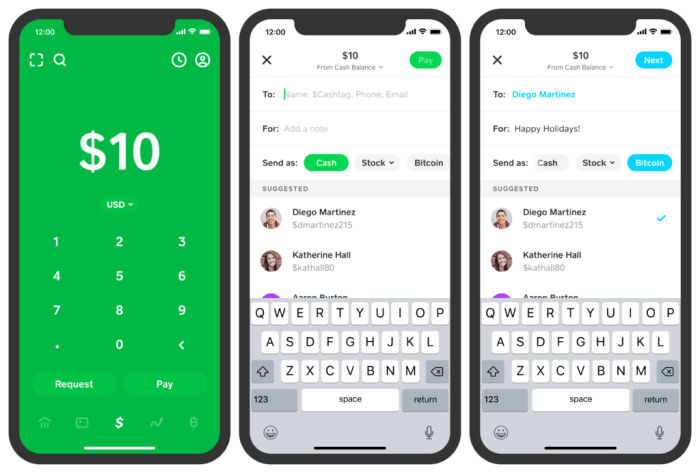
Bitcoin, while offering exciting possibilities, comes with inherent risks. Understanding these risks and implementing robust security measures is crucial for safeguarding your investment. This section dives into the importance of securing your Bitcoin holdings, the potential pitfalls of Bitcoin investment, and actionable strategies to mitigate these risks. It also highlights common scams and provides practical tips to protect your digital assets.Protecting your Bitcoin is paramount.
Just like any valuable asset, Bitcoin requires diligent safeguarding to prevent theft or loss. This section details the crucial steps involved in ensuring your Bitcoin remains secure and accessible.
Importance of Securing Your Bitcoin
Bitcoin, unlike traditional financial instruments, exists solely in digital form. This makes it susceptible to various threats if not adequately protected. Cybersecurity threats, such as hacking, phishing, and malware, pose significant risks to your Bitcoin holdings. Furthermore, human error, such as losing access to your wallet or forgetting your password, can lead to irreversible loss.
Risks Associated with Bitcoin Investment
Bitcoin’s volatile nature presents significant investment risks. Market fluctuations can lead to substantial gains or losses, making it essential to understand the potential for substantial price swings. Lack of regulation in many jurisdictions can also contribute to uncertainty in the market. Furthermore, the decentralized nature of Bitcoin can leave investors vulnerable to scams and fraud. Understanding these risks is critical to making informed decisions about Bitcoin investment.
Strategies for Managing Bitcoin Investment Risks, How to Buy Bitcoin: A Step-by-Step Guide for 2024
Diversification is a key strategy for managing risk. A well-diversified portfolio can help mitigate the impact of significant losses in any single asset. Thorough research and due diligence are essential to understanding the potential for loss. Regular monitoring of your portfolio and market trends can also aid in proactive risk management. These strategies can help you navigate the inherent risks associated with Bitcoin investment.
Common Bitcoin Scams and How to Avoid Them
Numerous scams target Bitcoin investors. Phishing emails promising high returns or requiring sensitive information are common tactics. Fake investment platforms and fraudulent exchanges often prey on investors’ hopes for quick profits. Exercise caution when interacting with unfamiliar websites or individuals promising unusually high returns. Understanding these scams is the first step in avoiding them.
- Phishing Scams: Be wary of emails or messages asking for your private keys, passwords, or other sensitive information. Legitimate Bitcoin platforms will never ask for these details via email.
- Fake Investment Platforms: Scrutinize any investment platform offering unrealistic returns or using aggressive marketing tactics. Verify the platform’s legitimacy before investing any funds.
- Pump and Dump Schemes: Be cautious of sudden price increases or promotions of a particular cryptocurrency. These can be signs of a pump-and-dump scheme where the price is artificially inflated to attract investors, only to be quickly dropped.
Tips for Protecting Your Bitcoin from Theft or Loss
Strong passwords and two-factor authentication (2FA) are crucial security measures. A strong password is a unique combination of letters, numbers, and symbols. Using 2FA adds an extra layer of security, requiring a second verification method, such as a code from a mobile app, to access your account. Using strong passwords and 2FA significantly enhances your Bitcoin security.
- Strong Passwords: Use a combination of uppercase and lowercase letters, numbers, and symbols. Avoid easily guessed words or personal information.
- Two-Factor Authentication (2FA): Enable 2FA wherever possible. This adds an extra layer of security, requiring a second verification method beyond your password.
- Cold Storage: Consider using hardware wallets or offline storage for long-term Bitcoin holdings. This minimizes the risk of online hacking or theft.
Importance of Using Strong Passwords and Two-Factor Authentication
Robust password security is essential to prevent unauthorized access to your Bitcoin wallet. Use a unique and strong password for each account, combining letters, numbers, and symbols. Enable two-factor authentication (2FA) whenever possible, adding an extra layer of security to your accounts.
Staying Informed and Updated
Navigating the dynamic world of Bitcoin requires continuous learning and adaptation. Market trends shift rapidly, and new developments emerge frequently. Staying informed is crucial for making sound investment decisions and mitigating risks. This section equips you with the tools and resources to stay ahead of the curve.
Reputable Resources for Bitcoin Information
Reliable sources are essential for accurate and unbiased information. News outlets specializing in cryptocurrency, financial publications with dedicated Bitcoin sections, and academic research papers provide valuable insights. Consider these trusted resources as your go-to guides for staying updated.
Following Market Trends and News
Tracking market trends involves monitoring price fluctuations, analyzing volume data, and observing news impacting Bitcoin’s value. Tools like charting platforms and real-time news aggregators can help. By understanding market dynamics, you can make more informed decisions aligned with your investment strategy. For example, a significant increase in trading volume coupled with positive news often correlates with price increases.
Community Forums and Social Media in Bitcoin Information
Bitcoin communities offer valuable perspectives and insights from experienced traders and enthusiasts. Social media platforms can be useful for staying abreast of discussions and updates, but it’s important to critically evaluate information from various sources. Participate in discussions with caution, and cross-reference information with trusted sources.
Continuous Learning about Bitcoin
Continuous learning is paramount in the evolving Bitcoin landscape. Staying updated on technical advancements, regulatory changes, and emerging use cases helps you adapt to the ever-changing environment. Engage with educational resources and join online communities to broaden your understanding.
Recommended Bitcoin News Sources
- Cointelegraph: A well-respected source for news, analysis, and market updates on Bitcoin and other cryptocurrencies.
- CoinDesk: A leading provider of financial news and analysis, including coverage of Bitcoin and the broader crypto market.
- The Block: A comprehensive platform offering in-depth analysis and news on the blockchain industry, including Bitcoin.
- Bloomberg: A major financial news outlet with coverage of Bitcoin and crypto markets.
These resources provide diverse perspectives and comprehensive coverage of the Bitcoin ecosystem.
Bitcoin Analysis Tools
Understanding market dynamics is crucial for successful Bitcoin trading. Various analysis tools can assist in evaluating market trends, identifying potential opportunities, and making well-informed decisions.
| Tool Type | Description | Example |
|---|---|---|
| Charting Platforms | Visualize price movements, volume, and other metrics over time. | TradingView, TradingCharts |
| News Aggregators | Consolidate news and updates from multiple sources. | Google News, specialized crypto news aggregators |
| Technical Analysis Tools | Identify patterns and trends in price charts. | Moving averages, support/resistance levels, RSI |
| On-chain Analysis Tools | Analyze data directly from the Bitcoin blockchain. | Glassnode, Santiment |
By leveraging these tools, you can gain a deeper understanding of the Bitcoin market.
Conclusion (Optional)
Navigating the digital frontier of Bitcoin can feel like charting uncharted waters. But armed with the right knowledge, you can confidently navigate the process of acquiring this digital asset. This guide has provided a roadmap to understanding and acquiring Bitcoin. Now, it’s time to put that knowledge into action and make informed decisions.
Key Steps for Buying Bitcoin
This section summarizes the crucial steps for successfully acquiring Bitcoin, emphasizing the importance of each stage in the process. By following these steps, you’ll be well-equipped to enter the exciting world of cryptocurrency.
- Select a reputable Bitcoin exchange or brokerage. Choose a platform that aligns with your risk tolerance and trading style, ensuring security measures are in place to safeguard your funds.
- Fund your account with the desired payment method. This might involve linking your bank account, debit/credit card, or using other supported methods. Thoroughly review the platform’s fees and policies related to deposits.
- Place a Bitcoin order. Understand the different order types (market, limit, stop-limit) available on the platform and select the order that best suits your needs. Carefully monitor your order to ensure it executes as planned.
- Review and confirm your Bitcoin purchase. Double-check the details of your transaction, including the amount, the exchange rate, and the Bitcoin address associated with your order. A double-check prevents errors that could lead to loss.
Future of Bitcoin
The future of Bitcoin remains a subject of intense discussion and speculation. While predicting the exact trajectory is impossible, understanding the factors influencing its future is key to informed decision-making.
Bitcoin’s value fluctuations are often linked to factors such as market sentiment, regulatory developments, and technological advancements. For instance, positive regulatory changes in certain regions could boost investor confidence and lead to price increases. On the other hand, security breaches or regulatory crackdowns could negatively impact investor confidence and lead to price drops. The emergence of competing cryptocurrencies can also influence Bitcoin’s position in the market.
Examples of competing cryptocurrencies include Ethereum and Litecoin. Understanding these factors helps in developing a more nuanced understanding of the asset’s potential trajectory.
Bitcoin’s future hinges on factors ranging from adoption rates to regulatory clarity.
In summary, the future of Bitcoin is dynamic and influenced by various factors. Understanding these elements will allow for a more nuanced perspective on its future value and potential for growth.
Conclusive Thoughts

In conclusion, acquiring Bitcoin involves a multi-faceted approach encompassing wallet selection, purchase strategies, transaction understanding, and rigorous security protocols. This guide has equipped you with the essential tools and knowledge to navigate the digital asset landscape. By understanding the intricacies of Bitcoin, you can confidently embark on your crypto journey, prepared to face potential challenges and seize emerging opportunities.
Remember, continuous learning and adaptation are key to success in the ever-evolving world of cryptocurrency.
Common Queries
What are the different types of Bitcoin wallets?
Bitcoin wallets come in various forms, including hardware wallets (like Ledger Nano S), software wallets (like Electrum), and mobile wallets (available on various platforms). Each type offers varying levels of security and usability.
What are the fees associated with Bitcoin transactions?
Transaction fees vary depending on the chosen exchange and the network congestion. Faster transaction speeds typically come with higher fees.
How do I choose a reliable Bitcoin exchange?
Factors to consider include security measures, trading volume, fees, and user reviews. Research different exchanges thoroughly before making a choice.
What are the common Bitcoin scams, and how can I avoid them?
Common scams include phishing attempts, fake investment schemes, and fraudulent exchanges. Always verify the legitimacy of websites and individuals before engaging in any Bitcoin transactions.