Is Bitcoin a Safe Investment? Risks and Rewards? This dives deep into the wild world of Bitcoin, exploring the potential upsides and downsides. We’ll look at its history, technology, and the wild price swings. Think about the massive potential for profit, but also the significant risks involved.
It’s a complex topic, but we’ll break it down in a way that’s easy to understand.
From its early days as a digital currency to its current status as a major investment asset, Bitcoin’s journey has been nothing short of remarkable. We’ll analyze its unique characteristics and potential benefits, contrasting them with the significant risks that investors should consider. The volatility, regulatory uncertainty, and potential for scams all need to be factored in when deciding whether Bitcoin is a suitable investment for your portfolio.
Ultimately, understanding these risks and rewards is crucial for making informed decisions.
Introduction to Bitcoin
Bitcoin, a revolutionary digital asset, emerged from the ashes of the 2008 financial crisis, challenging conventional financial systems and reimagining the very fabric of value exchange. Its decentralized nature, underpinned by cryptographic principles, promises a future where financial transactions are transparent, secure, and accessible to all.Bitcoin’s genesis lies in the desire for a peer-to-peer electronic cash system, free from the constraints of intermediaries like banks.
This desire birthed a new paradigm, one where digital ownership and transactions could be verified and secured without reliance on traditional financial institutions.
Bitcoin’s Underlying Technology
Bitcoin operates on a distributed ledger technology called a blockchain. This innovative system records every transaction in a transparent and immutable chain of blocks, secured by cryptographic hashing. Each block contains a timestamped record of numerous transactions, linked together chronologically. This inherent security and transparency make Bitcoin resistant to tampering and fraud. A crucial aspect of this technology is the use of cryptography to verify and authenticate transactions, ensuring that only authorized parties can access and modify the blockchain.
History and Evolution of Bitcoin
The genesis of Bitcoin is often attributed to a mysterious individual or group known as Satoshi Nakamoto. In 2008, a white paper outlining the technology was published, detailing the vision for a decentralized digital currency. Early adoption was slow, but Bitcoin’s potential for disruption sparked interest from developers, investors, and enthusiasts. Over time, Bitcoin has seen periods of rapid growth and volatility, evolving from a niche technology to a globally recognized asset.
Key milestones, such as the implementation of mining pools and the rise of Bitcoin exchanges, contributed to its growing influence.
Mechanics of Bitcoin Transactions
Bitcoin transactions are initiated by users, who send requests to the Bitcoin network. These requests are then validated by the network of miners. Miners compete to solve complex mathematical problems, and the first to do so gets to add the next block of transactions to the blockchain. This process ensures that transactions are recorded and secured on the distributed ledger.
The validation process, often likened to a race, relies on computational power and a consensus mechanism to prevent fraud and ensure the integrity of the network.
Different Perspectives on Bitcoin’s Potential
Bitcoin’s potential is viewed through various lenses. Some see it as a disruptive technology that will revolutionize finance, fostering financial inclusion and empowering individuals. Others view it as a speculative asset, prone to volatility and potentially unsustainable. The varied perspectives highlight the inherent complexities and uncertainties surrounding this innovative digital currency. Furthermore, some consider it a store of value, similar to gold, while others view it as a tool for illicit activities.
Bitcoin vs. Other Cryptocurrencies
This table compares Bitcoin with other prominent cryptocurrencies, showcasing their key characteristics:
| Name | Technology | Transaction Speed | Market Cap |
|---|---|---|---|
| Bitcoin | Blockchain | Relatively slower | Large |
| Ethereum | Blockchain with smart contracts | Moderate | Medium |
| Litecoin | Modified blockchain | Faster | Small |
| Dogecoin | Modified blockchain | Fast | Small |
This comparison reveals the diversity within the cryptocurrency space, highlighting different approaches to blockchain technology and transaction speeds. The market capitalization reflects the relative value and recognition of each cryptocurrency in the market.
Understanding Investment Risks
Bitcoin, a revolutionary digital asset, captivates investors with its potential for substantial returns. However, this allure must be tempered with a deep understanding of the inherent risks. Navigating these uncertainties requires a discerning eye and a commitment to thorough research. The journey into the world of Bitcoin investment demands a proactive approach to risk mitigation.
Volatility of Bitcoin’s Price
Bitcoin’s price is notoriously volatile. Significant price swings are a defining characteristic of this digital asset. Such fluctuations can lead to substantial gains or substantial losses within short periods. The unpredictable nature of market sentiment and external factors contribute to these price swings. Historical data reveals periods of rapid appreciation followed by precipitous declines.
Understanding this volatility is paramount for responsible investment. Investors should not be swayed by short-term market fluctuations and should focus on long-term potential.
Security Risks Associated with Bitcoin
Bitcoin transactions are decentralized, meaning they are not subject to traditional financial institution controls. This decentralized nature also presents security challenges. Compromised wallets or vulnerabilities in exchange platforms can result in significant financial losses for users. Protecting private keys is crucial for safeguarding Bitcoin holdings. Robust security measures, including strong passwords, two-factor authentication, and regular security audits, are essential to mitigating these risks.
Assessing Bitcoin’s investment safety involves weighing substantial risks against potential rewards. While the digital currency’s volatility presents a significant hurdle, navigating such financial uncertainties requires careful consideration. Fortunately, finding a skilled legal advocate, like the ones at Best Insurance Lawyer to Crush Unfair Claim Denials , can be crucial in protecting your interests in other financial spheres.
Ultimately, a well-informed approach to managing risk is essential for any investment, including Bitcoin.
Regulatory Uncertainties Impacting Bitcoin
The regulatory landscape surrounding Bitcoin is still evolving. Differing regulations across jurisdictions can create complexities for investors. Varying interpretations of Bitcoin’s classification as currency, commodity, or security can lead to inconsistent legal treatments. Uncertainty about future regulations can impact investor confidence and market stability. Staying informed about evolving regulatory frameworks is essential for navigating the complexities of Bitcoin investment.
Risks of Scams and Fraudulent Activities
Bitcoin’s decentralized nature and relative anonymity unfortunately make it a target for scams and fraudulent activities. Malicious actors often exploit investor naivety or create misleading investment schemes. Phishing scams, fake exchanges, and pump-and-dump schemes are common tactics. Investors must be vigilant and cautious when interacting with unfamiliar individuals or platforms. Thorough due diligence and a critical approach to investment opportunities are essential.
Assessing Bitcoin’s investment viability involves weighing the potential rewards against inherent risks. While the digital currency’s volatility presents significant challenges, a parallel can be drawn to the legal battles waged by aggressive insurance lawyers, like those featured in Aggressive Insurance Lawyer to Take on Big Insurers. These lawyers often face formidable opponents, much like Bitcoin investors confront market fluctuations.
Ultimately, the decision of whether Bitcoin is a safe investment hinges on a careful risk assessment, similar to navigating the complex legal landscape in insurance disputes.
Common Bitcoin Investment Scams
| Scam Type | Description | Prevention |
|---|---|---|
| Fake Investment Schemes | Fraudulent schemes promising unrealistic returns on Bitcoin investments. | Verify the legitimacy of investment platforms and individuals. Research investment opportunities thoroughly. |
| Phishing Scams | Deceptive emails or websites designed to steal login credentials and sensitive information. | Be cautious of unsolicited emails or messages. Verify website security. Do not share personal information unless absolutely certain of the recipient’s legitimacy. |
| Pump-and-Dump Schemes | Manipulating Bitcoin prices artificially to attract investors, followed by a rapid sell-off. | Exercise caution when following social media trends. Conduct thorough research before investing in any Bitcoin opportunity. |
| Fake Exchanges | Fraudulent platforms designed to steal user funds. | Verify the reputation and security measures of any Bitcoin exchange. Use only established and reputable exchanges. |
Assessing Potential Rewards
Bitcoin’s allure stems from its potential to unlock substantial rewards, promising a future beyond mere speculation. Its decentralized nature, unique investment characteristics, and potential for passive income have captivated many. This section delves into the potential benefits, offering a nuanced perspective on its captivating allure.
Decentralization and its Advantages
Bitcoin’s decentralized architecture, built on a peer-to-peer network, eliminates intermediaries. This structure fosters transparency and reduces reliance on centralized authorities, which empowers users and enhances security. The absence of a single point of failure makes the network resilient to censorship and manipulation, making it an intriguing alternative to traditional financial systems. This inherent strength is a significant draw for investors.
Significant Capital Appreciation Potential
Bitcoin’s price history demonstrates periods of substantial growth. Its value has fluctuated considerably, showcasing both rapid increases and sharp declines. Historical data, while not guaranteeing future performance, underscores the potential for significant capital appreciation. This volatile nature, however, necessitates careful consideration of risk alongside the reward. Investors should approach such possibilities with a deep understanding of market cycles and potential downsides.
Numerous examples of digital assets experiencing substantial growth, alongside cautionary tales of dramatic collapses, serve as a reminder of the inherent uncertainties in this market.
Passive Income Opportunities
Bitcoin offers opportunities for passive income through staking and mining. Staking involves locking up Bitcoin to support the network, earning rewards in the process. Mining involves solving complex mathematical problems to validate transactions and earn new Bitcoin. These passive income streams can generate consistent returns, though the complexities and energy requirements of mining are significant factors to consider.
The profitability of these ventures hinges on electricity costs and the difficulty of the mining process, impacting the feasibility of this strategy.
Bitcoin as a Hedge Against Inflation
Bitcoin’s finite supply and decentralized nature are frequently cited as potential hedges against inflation. As the money supply in traditional systems increases, potentially diminishing purchasing power, Bitcoin’s limited supply may offer a store of value. However, the correlation between Bitcoin and inflation is not straightforward, and past performance is not indicative of future results. The impact of inflation on Bitcoin’s price is complex and subject to market forces.
Historically, gold has served as a store of value during inflationary periods. While Bitcoin shares some similarities with gold in its limited supply, the dynamic market conditions make precise comparisons challenging.
Bitcoin Price Fluctuations (2020-2023)
| Date | Price (USD) | Change (%) |
|---|---|---|
| 2020-01-01 | 8,900 | – |
| 2020-12-31 | 29,000 | 225% |
| 2021-12-31 | 48,000 | 65% |
| 2022-12-31 | 16,000 | -66% |
| 2023-07-31 | 26,000 | 62% |
Note: This table provides a simplified illustration of Bitcoin price fluctuations over a period. Actual data may vary and should be verified from reliable sources.
Factors Influencing Investment Decisions

The realm of Bitcoin investment is a dynamic landscape shaped by a multitude of forces. Understanding these forces is crucial for navigating the complexities and potentially maximizing returns. These factors, from market sentiment to regulatory actions, influence the price trajectory and the overall investment climate. From the whispers of the market to the pronouncements of governing bodies, investors must remain informed and adaptable to succeed in this ever-evolving arena.Market sentiment plays a significant role in determining Bitcoin’s price.
A surge in positive sentiment, fueled by bullish predictions and increasing adoption, can propel prices upward. Conversely, negative sentiment, triggered by concerns about regulation or security breaches, can lead to a downward trend. This psychological component underscores the importance of staying abreast of market narratives and discerning the underlying truth amidst the noise.
Market Sentiment and Bitcoin’s Price
Bitcoin’s price is not solely dictated by fundamental factors. Market sentiment, often driven by speculation and social media trends, can significantly impact its price. Periods of heightened optimism can lead to rapid price increases, while periods of pessimism can result in sharp declines. The influence of social media, news outlets, and prominent figures can significantly influence the prevailing market mood.
News Events and Regulatory Actions
News events and regulatory actions exert substantial influence on Bitcoin’s price volatility. Significant announcements regarding regulatory changes, like stricter guidelines or tax implications, can cause considerable fluctuations in the market. News surrounding technological advancements, like the development of new Bitcoin applications, or major adoption by established companies, can likewise drive significant price shifts. The influence of such events often highlights the delicate balance between innovation and regulation.
Diversification in a Bitcoin Portfolio
Diversification is paramount in any investment strategy, and a Bitcoin portfolio is no exception. Diversifying beyond Bitcoin, to include other cryptocurrencies and traditional assets, mitigates risk and potentially enhances returns. This strategy recognizes that Bitcoin’s performance is not always correlated with other assets. By distributing investments across different asset classes, investors can lessen the impact of adverse events affecting a single asset.
Different Investment Strategies for Bitcoin
Various strategies exist for approaching Bitcoin investments. Each strategy possesses unique characteristics and risk profiles. The choice of strategy often depends on individual risk tolerance, investment goals, and time horizon.
Bitcoin Investment Strategies
| Strategy | Description | Risk Level |
|---|---|---|
| Hodling | Holding Bitcoin for an extended period, typically with the expectation of long-term appreciation. | High |
| Day Trading | Actively buying and selling Bitcoin within a single trading day. | Very High |
| Swing Trading | Holding Bitcoin for a few days or weeks, capitalizing on short-term price fluctuations. | Medium to High |
| Dollar-Cost Averaging (DCA) | Investing a fixed amount of money at regular intervals, regardless of price fluctuations. | Medium |
Understanding these factors, including market sentiment, news events, and diversification, empowers investors to make more informed decisions and potentially achieve better outcomes in the dynamic world of Bitcoin investments.
Analyzing Bitcoin’s Future
The future of Bitcoin, a digital gold standard, whispers tales of both revolutionary potential and daunting challenges. Its journey, thus far, has been one of remarkable growth and volatility, sparking fervent debates among investors and economists alike. Understanding its trajectory requires a nuanced perspective, acknowledging the forces that propel it forward and the obstacles that threaten its progress.Bitcoin’s ascent to mainstream acceptance remains a significant hurdle.
The technology, while innovative, faces the monumental task of overcoming entrenched financial systems and skepticism from traditional investors. This section delves into the intricacies of Bitcoin’s potential, the challenges it encounters, and the broader implications of blockchain technology.
Potential for Mainstream Adoption
Bitcoin’s potential to integrate into mainstream finance hinges on its ability to address key concerns. These concerns include security, scalability, and regulatory clarity. If Bitcoin can prove its resilience and demonstrate practical applications beyond speculative trading, it might find a home in everyday transactions and institutional portfolios. The increasing adoption of digital payments and the growing awareness of decentralized finance (DeFi) provide fertile ground for Bitcoin’s integration.
For instance, the recent surge in crypto adoption by businesses and individuals suggests a growing acceptance. However, overcoming public perception and regulatory uncertainties remains crucial for wider adoption.
Challenges to Widespread Adoption
Bitcoin faces significant obstacles in achieving widespread adoption. Volatility, coupled with regulatory uncertainty and security concerns, remains a considerable deterrent for many potential users. The perceived lack of regulation and the associated risks hinder institutional investment, a crucial step towards mainstream acceptance. The energy consumption associated with Bitcoin mining also draws criticism, creating a negative image in some circles.
The need for robust infrastructure and education to foster understanding is paramount.
Future of Blockchain Technology and its Impact on Bitcoin
Blockchain technology, the underlying framework for Bitcoin, holds immense potential beyond cryptocurrency. Its decentralized nature, security, and transparency could revolutionize various industries. The future of blockchain extends far beyond Bitcoin, offering solutions for supply chain management, voting systems, and data storage. Bitcoin’s fate is intrinsically linked to the success and development of blockchain technology. As blockchain applications diversify, Bitcoin could become a cornerstone asset, or perhaps a niche player.
The innovation and application of blockchain technologies will determine the extent of Bitcoin’s relevance in the future.
Comparison with Other Cryptocurrencies
The cryptocurrency landscape is vast and dynamic, encompassing a wide array of projects. Bitcoin, with its first-mover advantage and established market position, often serves as a benchmark for other cryptocurrencies. However, competitors often offer enhanced features, such as improved scalability or specialized functionalities. The future success of Bitcoin will depend on its ability to maintain its position and adapt to the evolving needs of the market.
The ongoing competition will likely drive innovation and push Bitcoin to further refine its strengths.
Assessing Bitcoin’s safety as an investment involves weighing significant risks against potential rewards. A critical aspect of understanding this involves exploring the diverse perspectives offered by reputable financial news sources, such as Media Suma. Their in-depth coverage of market trends and expert analyses can offer valuable context for evaluating Bitcoin’s potential within a broader financial landscape.
Ultimately, making informed decisions about Bitcoin investments hinges on careful consideration of these risks and rewards.
Blockchain Applications Beyond Bitcoin
| Application | Use Case | Potential |
|---|---|---|
| Supply Chain Management | Tracking goods from origin to consumer, enhancing transparency and efficiency. | Increased trust, reduced fraud, and improved traceability. |
| Digital Identity | Creating secure and verifiable digital identities, eliminating intermediaries. | Improved user experience, enhanced security, and reduced costs. |
| Decentralized Finance (DeFi) | Facilitating financial transactions without intermediaries, promoting financial inclusion. | Increased accessibility, reduced fees, and improved financial transparency. |
| Healthcare | Secure storage and sharing of medical records, promoting patient privacy. | Enhanced patient care, improved data management, and reduced costs. |
The table above illustrates just a glimpse of the potential applications of blockchain technology. The future of blockchain will undoubtedly witness further innovation and deployment in various sectors.
Illustrative Examples of Bitcoin Use Cases
Bitcoin, a revolutionary digital currency, transcends the traditional financial landscape, offering a unique approach to transactions and commerce. Its decentralized nature and global accessibility empower users in ways previously unimaginable. This section explores the practical applications of Bitcoin, demonstrating its potential beyond speculative investment.
Peer-to-Peer Transactions
Bitcoin’s inherent peer-to-peer (P2P) nature facilitates direct transactions between individuals without intermediaries. This eliminates the need for traditional financial institutions, reducing fees and transaction times. Imagine a scenario where a musician in Brazil can send payment to a music producer in Japan instantly and at a fraction of the cost of conventional methods. This direct connection empowers individuals, fostering global collaboration and economic empowerment.
International Remittances
The global remittance landscape is often plagued by exorbitant fees and lengthy processing times. Bitcoin offers a compelling alternative, facilitating swift and cost-effective international money transfers. Migrant workers can send funds to their families abroad with minimal costs and faster processing, addressing a critical need in many parts of the world.
Micro-transactions
Bitcoin’s capacity for handling small transactions makes it ideal for micro-payments. This is particularly valuable in sectors like online gaming, digital content distribution, and peer-to-peer file sharing. Imagine paying a few cents to access a short video clip or download a digital asset – Bitcoin streamlines this process, opening doors for innovative business models.
Bitcoin Adoption in Emerging Markets
Bitcoin’s potential to disrupt traditional financial systems is particularly evident in emerging markets. In countries with underdeveloped banking infrastructure or limited access to traditional financial services, Bitcoin offers a viable alternative for transactions and savings. Individuals can use Bitcoin to manage their finances, store value, and participate in the global economy without reliance on established financial institutions.
Real-World Applications of Bitcoin
| Use Case | Description | Benefits |
|---|---|---|
| Peer-to-Peer Transactions | Direct transactions between individuals, bypassing intermediaries. | Reduced fees, faster processing times, enhanced privacy. |
| International Remittances | Facilitating international money transfers. | Lower transaction costs, faster transfer times, increased accessibility. |
| Micro-transactions | Handling small-value payments for digital goods and services. | Streamlined micro-payments, enabling new business models, and reduced transaction costs. |
| Emerging Markets | Providing financial inclusion and alternative payment solutions. | Access to global markets, improved financial services, and enhanced economic opportunities. |
Investment Strategies for Different Risk Profiles
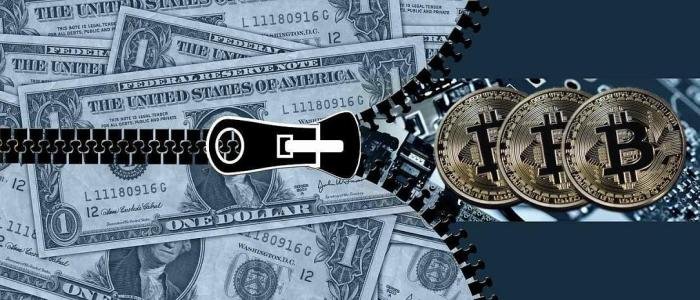
Embarking on the Bitcoin journey requires careful consideration of your personal risk tolerance. A well-defined investment strategy, tailored to your comfort level, is paramount to navigating the exhilarating yet unpredictable landscape of cryptocurrencies. Understanding the potential rewards and inherent risks is the first step toward a successful Bitcoin investment journey.
Conservative Investment Strategies
Conservative investors prioritize capital preservation over rapid gains. Their primary goal is to minimize risk and ensure steady, predictable returns. These strategies emphasize diversification and a cautious approach to Bitcoin exposure.
- Dollar-Cost Averaging (DCA): This strategy involves investing a fixed amount of money at regular intervals, regardless of price fluctuations. It helps mitigate the impact of significant price swings, spreading out investment risk over time. By consistently investing, the investor smooths out the highs and lows, reducing the overall volatility of the portfolio. For example, a conservative investor might allocate 5% of their monthly income to Bitcoin investments, regardless of the current market price.
- Long-Term Holding: Holding Bitcoin for an extended period allows investors to potentially benefit from long-term price appreciation. This approach necessitates a strong belief in Bitcoin’s future and a comfortable tolerance for potential short-term price declines. A strategic approach to this method involves understanding Bitcoin’s history and identifying periods of market correction as potential opportunities.
Moderate-Risk Investment Strategies, Is Bitcoin a Safe Investment? Risks and Rewards
Moderate-risk investors seek a balance between capital preservation and potential gains. They are willing to accept some price volatility in exchange for a higher probability of return.
- Strategic Portfolio Allocation: A moderate investor might allocate a portion of their portfolio to Bitcoin, diversifying across other assets like stocks or bonds. This strategy allows them to participate in the potential upside of Bitcoin while maintaining a buffer against market downturns. For example, a portfolio might consist of 20% Bitcoin, 50% stocks, and 30% bonds.
- Partial DCA: Similar to DCA, a moderate investor might use a partial DCA approach, adjusting the investment amount based on market conditions. This approach offers more flexibility than strict DCA, allowing for increased investments during periods of market downturns.
High-Risk Investment Strategies
High-risk investors are comfortable with significant price fluctuations and are prepared for potential losses. They often prioritize the possibility of substantial returns, understanding that higher risk typically correlates with higher potential reward.
- Aggressive Trading Strategies: High-risk investors might employ active trading strategies, leveraging tools like day trading, swing trading, or options trading. These approaches involve more complex analysis and carry a higher risk of substantial losses. A critical aspect of these approaches is the understanding of technical analysis and market trends.
- Leveraged Investments: Leveraged investments, such as margin trading, amplify potential gains but also magnify potential losses. This strategy requires a deep understanding of financial markets and risk management.
Risk Tolerance and Investment Strategies Comparison
| Risk Tolerance | Strategy | Potential Returns |
|---|---|---|
| Conservative | DCA, Long-Term Holding | Lower, Steady Returns |
| Moderate | Strategic Portfolio Allocation, Partial DCA | Moderate Returns, Potential for Higher Gains |
| High | Aggressive Trading Strategies, Leveraged Investments | Higher Potential Returns, Higher Risk of Loss |
Final Review: Is Bitcoin A Safe Investment? Risks And Rewards
So, is Bitcoin a safe investment? The answer, as you’ve likely gathered, is a resounding “it depends.” The potential for massive returns is real, but so are the risks. This exploration of Bitcoin’s risks and rewards has hopefully equipped you with the knowledge to make your own informed decisions. Consider your risk tolerance, research thoroughly, and don’t invest more than you can afford to lose.
Remember, Bitcoin is a highly volatile asset, and the future is always uncertain.
Expert Answers
Is Bitcoin a good hedge against inflation?
Bitcoin’s price has historically shown correlation with inflation, but it’s not a guaranteed hedge. Its volatility makes it a complex investment in relation to inflation.
What are some common Bitcoin scams?
Fake investment platforms, phishing scams, and “too-good-to-be-true” promises are common. Always be wary of anything promising guaranteed returns or requiring you to transfer funds outside a regulated exchange.
How can I diversify my Bitcoin portfolio?
Diversification in a Bitcoin portfolio involves not just holding Bitcoin, but also exploring other cryptocurrencies and traditional assets. This helps mitigate the risk associated with holding only Bitcoin.
What is the role of market sentiment in Bitcoin’s price?
Market sentiment, fueled by news, social media trends, and general investor confidence, significantly impacts Bitcoin’s price. Positive sentiment often leads to price increases, while negative sentiment can lead to downturns.