How Governments Are Trying to Control Bitcoin is a complex issue, with governments worldwide trying to clamp down on this digital currency. From tax laws to capital controls, the pressure is on. Different nations have different approaches, some heavy-handed, others more subtle. This exploration dives into the various strategies employed, the economic repercussions, and the technological responses from the Bitcoin community.
The regulatory landscape surrounding Bitcoin is constantly evolving, with governments grappling with how to categorize and control this innovative technology. This investigation delves into the motivations behind these efforts, examining potential economic impacts and contrasting viewpoints. The interplay between governments and the Bitcoin ecosystem is a fascinating and rapidly changing dynamic.
Governmental Approaches to Bitcoin Regulation
Governments worldwide are grappling with the unique challenges posed by cryptocurrencies, particularly Bitcoin. This necessitates a multifaceted approach to regulation, encompassing various strategies to manage its use, mitigate risks, and adapt to the evolving landscape. The complexities inherent in digital assets require governments to carefully balance innovation with financial stability and security concerns.
Different Types of Regulations, How Governments Are Trying to Control Bitcoin
Governments employ a range of regulatory tools to control or influence Bitcoin. These include tax laws, licensing requirements, capital controls, and measures to combat illicit activities. Each approach reflects differing priorities and concerns across jurisdictions. The varying approaches reflect a delicate balancing act between fostering innovation in the financial sector and mitigating potential risks.
Varying Approaches Across Countries
The regulatory landscape surrounding Bitcoin exhibits significant variations across countries. Some nations have embraced a more permissive approach, while others have taken a more cautious stance, driven by factors such as economic conditions, technological sophistication, and societal attitudes toward cryptocurrencies. These differences reflect the unique contexts and priorities within each jurisdiction.
Curbing Bitcoin’s Use in Illicit Activities
Governments are actively seeking to curb Bitcoin’s use in illicit activities. This includes tracing transactions, identifying users, and implementing stricter KYC (Know Your Customer) and AML (Anti-Money Laundering) protocols. These measures aim to prevent the use of Bitcoin for criminal purposes.
Classifying and Categorizing Bitcoin
Classifying Bitcoin presents a significant challenge for governments. Is it a currency, a commodity, or a security? The answer often depends on the specific legal framework of a given jurisdiction. Different classifications have implications for taxation, regulatory oversight, and investor protection. The categorization process is crucial for defining the scope of regulatory authority and implementing appropriate policies.
Governments globally are enacting various measures to regulate Bitcoin, often citing concerns about illicit activity and financial instability. However, these efforts frequently clash with Bitcoin’s inherent nature as a decentralized digital currency, a key component in the drive for financial decentralization, as detailed in The Role of Bitcoin in Financial Decentralization. These regulatory hurdles highlight the ongoing tension between centralized control and the principles of a truly open financial system, prompting ongoing debate about Bitcoin’s future role in the global financial landscape.
Examples of Specific Regulations
Specific regulations targeting Bitcoin include tax laws that treat it as property or currency, licensing requirements for exchanges and custodians, and capital controls aimed at restricting its flow. These measures vary considerably in their stringency and effectiveness. Taxation of Bitcoin transactions often depends on local tax laws, which can differ significantly across jurisdictions.
Comparison of Regulatory Approaches
| Country | Regulation Type | Description | Impact |
|---|---|---|---|
| United States | Taxation | Bitcoin is often treated as property for tax purposes, subject to capital gains or income tax. | Uncertainty about the tax treatment of Bitcoin can deter some users and lead to compliance issues. |
| China | Ban | China has banned cryptocurrency trading and related activities, effectively prohibiting its use within the country. | This drastic approach has impacted the Chinese crypto market but also limits innovation and adoption. |
| European Union | Regulation | The EU is developing a regulatory framework to categorize and address the challenges of cryptocurrencies. | A well-defined framework can provide clarity and stability for the crypto industry but can also lead to delays and adjustments. |
Economic Impacts of Bitcoin Regulation
Bitcoin’s regulatory landscape is rapidly evolving, and the potential economic effects of these interventions are substantial and multifaceted. Governments worldwide are grappling with how to balance the need for financial stability and consumer protection with the potential for innovation and economic growth that Bitcoin represents. Understanding these potential impacts is crucial for investors, businesses, and policymakers alike.
Governments worldwide are increasingly scrutinizing Bitcoin’s volatile nature, implementing regulations to temper its potential for illicit activity. Navigating these complexities requires expert legal counsel, such as the team at Your Legal Advantage: Top Insurance Lawyer Who Wins Cases , to ensure compliance and protect investments. Ultimately, the ongoing efforts to control Bitcoin highlight the need for robust legal frameworks to address the unique challenges presented by this emerging digital asset.
Potential Effects on Bitcoin Price and Market Capitalization
Bitcoin’s price is inherently volatile, and regulatory actions can exacerbate or mitigate these fluctuations. Stringent regulations, such as outright bans or restrictions on access, can trigger significant price drops as investor confidence wanes. Conversely, clear, well-defined regulations that foster trust and legitimacy could potentially attract institutional investment and support price appreciation. The recent regulatory actions in China, for instance, led to a substantial decline in Bitcoin’s value as investors reacted to the uncertainty and perceived threat to the asset’s future.
Impact on Businesses and Individuals Using Bitcoin
Regulations directly impact businesses and individuals using Bitcoin for transactions and investments. Regulations defining the legal status of Bitcoin as a payment method, or as an asset, could drastically affect its use in various sectors. For example, if Bitcoin transactions are categorized as high-risk or illicit, businesses might be reluctant to accept it, hindering its adoption. Conversely, a clear regulatory framework can encourage businesses to explore Bitcoin as a payment method, potentially fostering innovation in areas like cross-border remittances and micro-payments.
Additionally, regulations can affect how individuals use Bitcoin, from investing to using it as a store of value.
Impact on Bitcoin and Blockchain Technology Adoption
The adoption of Bitcoin and blockchain technology is heavily influenced by regulatory clarity and investor confidence. A hostile regulatory environment can stifle adoption, deterring potential users and developers from exploring its applications. Conversely, supportive regulations can attract investment and accelerate development, leading to more widespread adoption. For example, countries like El Salvador, by embracing Bitcoin as legal tender, have arguably driven adoption within their own borders.
Impact on Financial Sector Innovation
Regulation can significantly influence innovation in the financial sector. Restrictive regulations may discourage the development of new financial products and services based on blockchain technology. However, well-structured regulations can incentivize innovation by providing a predictable legal framework for developers and businesses. For example, regulatory sandbox initiatives can provide a controlled environment for experimenting with new financial technologies, fostering innovation while mitigating risks.
Potential Economic Impacts of Different Regulatory Frameworks
| Regulation Type | Positive Impact | Negative Impact | Mitigation Strategies |
|---|---|---|---|
| Ban/Severe Restrictions | Potentially reduces illicit activities associated with Bitcoin. | Significant price drop, decreased market capitalization, stifles innovation, potential for capital flight. | Phased approach, clear communication of rationale, international cooperation to avoid capital flight. |
| Clear and supportive framework | Increased investor confidence, potential for price appreciation, innovation in financial products, and greater adoption of blockchain technology. | Potential for increased money laundering or other illicit activities if not properly regulated. | Strong anti-money laundering (AML) regulations, stringent KYC/AML checks, and international cooperation. |
| Regulatory Sandbox | Encourages innovation in financial sector products and services, and allows for experimentation with new technologies. | Potential for unforeseen risks, requires continuous monitoring and adaptation. | Well-defined scope and objectives, clear oversight mechanisms, and robust risk management frameworks. |
| Progressive Regulation | Allows for gradual adoption and understanding of Bitcoin and blockchain technology. | Potential for confusion and inconsistency, potentially slower pace of innovation and adoption. | Clear timelines, well-defined stages of development, and robust communication with stakeholders. |
Technological Responses to Regulatory Hurdles
The increasing scrutiny and regulation of Bitcoin, a decentralized digital asset, has spurred innovative responses within the community. Bitcoin’s inherent nature as a peer-to-peer system, designed to operate independently of central authorities, presents a unique challenge when faced with governmental interventions. This has led to a dynamic interplay between regulators and the Bitcoin ecosystem, where developers and users are constantly adapting their strategies to navigate the evolving landscape.The Bitcoin community, in response to regulatory pressures, is increasingly leveraging technological advancements to maintain the core principles of decentralization and privacy.
This involves not only developing new tools but also re-evaluating existing ones in the context of regulatory constraints. These efforts aim to circumvent or adapt to regulatory limitations, while upholding the core values of the Bitcoin network.
Privacy-Enhancing Technologies
Bitcoin transactions, while inherently pseudonymous, can be traced through blockchain analysis. To mitigate this vulnerability, developers have been actively researching and implementing privacy-enhancing technologies. These technologies aim to obfuscate transaction details without compromising the integrity of the Bitcoin network. Zero-knowledge proofs, for example, allow users to prove statements about their Bitcoin holdings without revealing the underlying data.
Mixers and coinjoin services further enhance transaction privacy by combining multiple inputs into a single output, making individual transactions harder to trace.
Decentralized Exchanges (DEXs)
Traditional centralized exchanges (CEXs) are often subject to regulatory requirements, which can impact their ability to serve users in certain jurisdictions. Decentralized exchanges (DEXs) operate on blockchain networks, eliminating the need for a central authority. This approach offers greater autonomy and potential circumvention of regulatory hurdles. DEXs often rely on smart contracts to execute trades, ensuring transparency and immutability.
The use of DEXs, however, also presents challenges, such as ensuring security and liquidity.
Layer-2 Scaling Solutions
Bitcoin’s transaction throughput can be a bottleneck, especially during periods of high activity. Layer-2 scaling solutions aim to increase the network’s capacity by processing transactions off the main blockchain. These solutions, such as Lightning Network, can significantly reduce transaction fees and processing times, improving user experience and potentially mitigating regulatory pressures that may target transaction volume.
Table: Technological Innovations Addressing Regulatory Issues
| Issue | Innovation | Description | Effectiveness |
|---|---|---|---|
| Transaction Traceability | Zero-knowledge proofs, Mixers | These technologies aim to obfuscate transaction details without compromising blockchain integrity. Mixers combine multiple inputs into a single output, making individual transactions harder to trace. | Potentially effective in enhancing privacy but effectiveness varies depending on implementation and sophistication. |
| Regulatory Restrictions on Exchanges | Decentralized Exchanges (DEXs) | DEXs operate on blockchain networks, eliminating the need for a central authority, offering greater autonomy. | Effective in providing an alternative to CEXs but may face challenges in terms of liquidity and security. |
| Limited Transaction Throughput | Layer-2 Scaling Solutions (e.g., Lightning Network) | These solutions process transactions off the main blockchain, increasing capacity and reducing fees. | Demonstrates potential for significant improvement in transaction throughput, potentially reducing regulatory scrutiny related to transaction volume. |
International Cooperation and Harmonization of Regulations: How Governments Are Trying To Control Bitcoin

International cooperation in regulating Bitcoin remains a complex and evolving landscape. While individual countries and regions grapple with the unique challenges presented by the cryptocurrency, the need for a coordinated approach at the global level is becoming increasingly apparent. The decentralized nature of Bitcoin, transcending geographical boundaries, necessitates a concerted effort to establish consistent and compatible regulatory frameworks.
This cooperation aims to mitigate risks, promote innovation, and foster a more stable and predictable environment for Bitcoin users and businesses worldwide.The pursuit of global standards for Bitcoin regulation presents both substantial opportunities and considerable challenges. Opportunities include a reduction in regulatory arbitrage, fostering innovation through harmonized rules, and encouraging cross-border trade in Bitcoin. Challenges include the diverse economic and political landscapes of different nations, varying levels of technological expertise, and the decentralized nature of Bitcoin itself, which resists centralized control.
Achieving harmonization requires a delicate balance between protecting investors and promoting the benefits of a global digital currency.
Varying Approaches to Bitcoin Regulation
Different international organizations are actively engaging in discussions and formulating positions on Bitcoin regulation. These organizations, with diverse mandates and priorities, employ varied approaches, reflecting the complexity of the issue. These diverse approaches often stem from the different political and economic considerations each organization faces.
International Organization Approaches to Bitcoin Regulation
The establishment of global standards requires a comprehensive understanding of the varying approaches adopted by international organizations. These approaches, although not always explicitly focused on Bitcoin, often address related financial technologies and regulations.
| Organization | Approach | Key Objectives | Challenges |
|---|---|---|---|
| International Monetary Fund (IMF) | Focuses on financial stability implications and the potential for illicit activities. Proposes a risk-based approach, adapting to specific national circumstances. | Maintaining financial stability, combating money laundering and terrorist financing, and promoting responsible innovation in digital assets. | Balancing the need for regulation with the desire to avoid stifling innovation. Navigating the decentralized nature of Bitcoin. Securing broad consensus among member countries with varying regulatory priorities. |
| Financial Stability Board (FSB) | Develops standards and guidelines for global financial institutions to address systemic risks. Focuses on regulatory frameworks for crypto-assets, recognizing the need for a coherent approach. | Promoting financial stability, coordinating responses to emerging risks, and enhancing the resilience of the financial system. | Achieving consensus among diverse stakeholders. Ensuring the standards are adaptable to the evolving landscape of digital assets. Addressing the challenges posed by the decentralized nature of cryptocurrencies. |
| Organization for Economic Co-operation and Development (OECD) | Works on international tax rules and regulatory frameworks. Provides guidance on the taxation of digital assets, including cryptocurrencies. | Promoting economic growth and sustainable development through international cooperation. Ensuring a fair and efficient tax system for digital assets. | Harmonizing tax regulations across different jurisdictions, which can be complex and contentious. Keeping pace with the rapid evolution of cryptocurrencies and related technologies. |
| United Nations | A broader framework for international cooperation, addressing issues like financial crime and technological development. | Promoting peace and security, economic development, social progress, and human rights globally. Addressing the societal impact of new technologies. | Lack of a dedicated body for cryptocurrency regulation. Negotiating consensus among diverse member states with different views on cryptocurrencies. |
Public Opinion and Political Discourse Surrounding Bitcoin Regulation
Public perception of Bitcoin regulation is a complex and multifaceted issue, often shaped by conflicting narratives and varying degrees of understanding. Differing viewpoints exist not only among the public, but also within government bodies and industry experts, creating a dynamic landscape for policy development. This section delves into the nuances of this public discourse, examining the arguments for and against regulation, the political factors influencing government decisions, and the role of lobbying and public advocacy in shaping policy outcomes.The public’s understanding of Bitcoin regulation is often influenced by media portrayals and personal experiences.
Positive narratives, often highlighting the potential for financial inclusion and economic empowerment, can foster support for regulated use cases. Conversely, negative narratives, focusing on volatility and potential for illicit activities, can fuel opposition to any form of regulation. This disparity in public perception underscores the importance of clear and accessible communication regarding the complexities of Bitcoin regulation.
Public Perception of Bitcoin Regulation
Public perception of Bitcoin regulation is often polarized, with some viewing it as necessary for investor protection and market stability, while others see it as stifling innovation and individual financial freedom. Concerns about volatility, market manipulation, and the potential for illicit activities are frequently cited as justifications for regulatory intervention. Conversely, proponents of Bitcoin often highlight the potential for financial inclusion and empowerment, arguing that regulation can create a more secure and transparent environment for legitimate users.
Arguments For and Against Bitcoin Regulation
Supporters of Bitcoin regulation often advocate for measures aimed at protecting investors from scams and market manipulation. They emphasize the need for robust anti-money laundering (AML) and know-your-customer (KYC) procedures to curb illicit activities. Furthermore, they highlight the potential for greater market stability and consumer confidence through regulated frameworks. Conversely, opponents of Bitcoin regulation frequently argue that stringent regulations could stifle innovation and limit the potential for economic empowerment through decentralized finance (DeFi) applications.
Concerns about regulatory overreach and the potential for stifling the growth of the Bitcoin ecosystem are often raised.
Political Factors Influencing Government Decisions
Political factors play a significant role in shaping government decisions regarding Bitcoin regulation. The political ideologies of policymakers, the perceived public sentiment, and the potential impact on economic indicators are all critical considerations. Moreover, the interplay of international regulations and global economic trends can influence a government’s stance. For instance, a nation with a strong focus on financial stability may adopt stricter regulations compared to one prioritizing innovation and financial inclusion.
Role of Lobbying and Public Advocacy
Lobbying efforts and public advocacy campaigns significantly impact the direction of Bitcoin regulation. Industry groups and advocacy organizations actively engage with policymakers to shape legislation and influence public opinion. Public discourse surrounding Bitcoin regulation is significantly influenced by these organized efforts, which aim to either support or oppose specific regulatory frameworks. This underscores the importance of transparent communication and public engagement in the regulatory process.
Contrasting Opinions on Bitcoin Regulation
“Regulation is crucial to ensure the safety and security of investors. It is essential to establish clear guidelines to prevent illicit activities and promote responsible innovation.”
Government Official
“Excessive regulation can stifle the growth and innovation of the cryptocurrency sector. It’s vital to strike a balance between protecting investors and fostering a dynamic and innovative market.”
Industry Expert
“I’m worried about my investments if there is no clear regulatory framework. I want to see a government that can control the risks involved.”
Public Citizen
The Future of Bitcoin Regulation
The evolving landscape of Bitcoin regulation presents a complex interplay of technological advancements, economic pressures, and geopolitical considerations. Predicting the precise trajectory of Bitcoin regulation over the next five years is challenging, but analyzing current trends and potential future developments offers a glimpse into the likely path forward. This analysis will examine anticipated trends, the impact of technology, investor confidence, potential government-Bitcoin relationships, and a regional breakdown of potential regulatory landscapes.
Anticipated Developments and Trends
The next five years are likely to witness a continued push towards greater clarity and standardization in Bitcoin regulation. Governments are increasingly recognizing the need to address the unique characteristics of cryptocurrencies, moving beyond blanket prohibitions towards targeted regulations. This will likely manifest in clearer definitions of Bitcoin, specific licensing requirements for exchanges, and frameworks for tax treatment.
International cooperation, though not uniform, is anticipated to play a significant role in shaping these developments. Regulatory sandboxes and pilot programs may be implemented to allow for experimentation and learning before broader implementation.
Impact of Future Technological Advancements
Technological advancements, such as enhanced blockchain security and privacy features, are likely to significantly influence regulatory approaches. Increased decentralization and privacy concerns will require regulatory bodies to adapt their approaches. The emergence of new technologies, like layer-2 solutions, could lead to the creation of new regulatory categories or adjustments to existing ones. Regulatory authorities may need to focus on issues like tokenization and decentralized finance (DeFi) to ensure regulatory frameworks keep pace with innovation.
Impact of Regulatory Uncertainty on Investor Confidence
Regulatory uncertainty directly affects investor confidence in the Bitcoin market. Ambiguity in regulations can lead to hesitation in investment, potentially hindering market growth. Investors seek clarity on legal frameworks, tax implications, and operational procedures. The lack of consistent regulatory frameworks across jurisdictions creates a fragmented and complex environment, increasing uncertainty for international investors. This unpredictability can impact the price of Bitcoin and the broader cryptocurrency market.
Potential Scenarios for the Future of Bitcoin’s Relationship with Governments
The relationship between Bitcoin and governments will likely fall into one of three scenarios:
- Regulation and Integration: Governments acknowledge Bitcoin’s presence and develop frameworks for its use, aiming for regulated integration into the financial system. This includes establishing clear legal definitions, regulatory oversight, and tax protocols for Bitcoin transactions.
- Regulation and Caution: Governments exercise a cautious approach to Bitcoin regulation, implementing measures to mitigate risks associated with its volatility and potential for misuse while still allowing for its existence in the financial system. This might involve stricter compliance requirements for businesses operating with Bitcoin.
- Suppression and Control: Some governments might pursue a more aggressive stance, aiming to suppress Bitcoin or control its use due to concerns about its impact on the financial system. This scenario could involve outright bans or severe restrictions on Bitcoin transactions.
Predicted Future Regulatory Landscapes
| Region | Possible Scenario | Key Drivers | Potential Outcomes |
|---|---|---|---|
| United States | Regulation and Integration | Growing institutional interest, desire for a stable regulatory environment | Establishment of clear guidelines for Bitcoin exchanges, tax treatment, and use cases. |
| European Union | Regulation and Caution | Balancing innovation with financial stability, international cooperation | Creation of harmonized regulations, focus on consumer protection and anti-money laundering measures. |
| China | Suppression and Control | Concerns about financial stability and national security, existing regulatory approach | Continued or intensified restrictions on Bitcoin transactions and mining. |
| South East Asia | Regulation and Integration | Growing adoption, opportunities for economic development | Establishment of framework for crypto transactions, incentives for Bitcoin adoption in specific sectors. |
Conclusive Thoughts
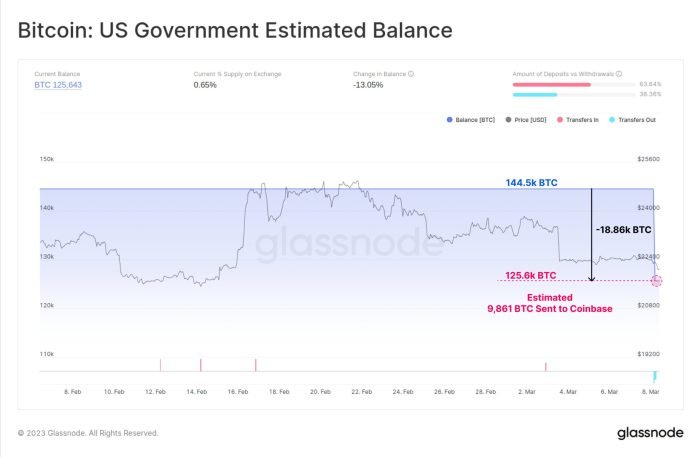
In conclusion, the global push to regulate Bitcoin is multifaceted and fraught with complexities. Economic impacts, technological responses, and international cooperation all play crucial roles in shaping the future of this digital currency. Ultimately, the future of Bitcoin’s relationship with governments will depend on ongoing dialogue and adaptation to the evolving technological and economic landscapes.
Question Bank
What are the common tax implications for Bitcoin transactions?
Tax implications vary widely by jurisdiction. Some countries treat Bitcoin as property, others as currency. Consult with a financial advisor for tailored advice.
How effective are current regulations in stopping illicit activity involving Bitcoin?
The effectiveness of current regulations in curbing illicit activity is debated. While some regulations have demonstrably helped, the constantly evolving nature of Bitcoin and criminal activity makes it a persistent challenge.
What are the potential long-term effects of Bitcoin regulation on innovation in the financial sector?
Regulation could stifle innovation, particularly in areas of decentralized finance. However, clear and well-defined regulations can also create a more predictable environment for financial innovation.
Are there any international efforts to harmonize Bitcoin regulations across different countries?
There are ongoing efforts to achieve harmonization, but significant challenges remain. Differences in legal systems and economic priorities hinder progress toward a global consensus.