The Psychology Behind Bitcoin Investing Decisions explores the intricate motivations, emotions, and social forces that drive investment choices in this volatile digital asset. Understanding the psychological factors influencing decisions is crucial for both potential investors and seasoned traders.
This exploration delves into the human element of Bitcoin investment, analyzing how cognitive biases, emotional responses to market fluctuations, social influences, risk perception, information processing, personality traits, and financial literacy all contribute to the unique dynamics of the Bitcoin market. The analysis provides a framework for understanding the complexities of investing in this innovative asset class.
Motivations for Bitcoin Investment
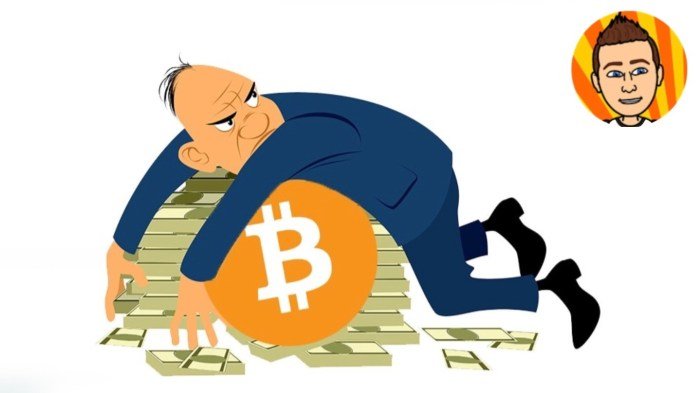
Bitcoin, the digital gold rush, has sparked a whirlwind of investment decisions. Underlying these choices are powerful psychological forces, often playing out in the wild world of online forums and social media. From the allure of quick riches to the fear of missing out, let’s dive into the minds of Bitcoin investors.
Psychological Factors Driving Bitcoin Investment
Various psychological factors influence Bitcoin investment decisions. These factors aren’t limited to the realm of finance; they’re deeply rooted in human nature, affecting our choices across diverse aspects of life. Greed, the desire for more, often fuels the pursuit of quick profits. Fear of missing out (FOMO) amplifies the urgency to jump on the bandwagon, often leading to impulsive actions.
The allure of a get-rich-quick scheme, particularly in a volatile market like Bitcoin’s, also plays a significant role.
Cognitive Biases Influencing Investment Decisions
Cognitive biases are systematic errors in thinking that affect our judgment. In the realm of Bitcoin investing, these biases often manifest as a tendency to overestimate the potential for rapid gains and underestimate the risks. Confirmation bias, the tendency to seek out information that confirms pre-existing beliefs, is especially pronounced. For instance, an investor who believes Bitcoin will skyrocket might readily dismiss negative news while focusing on positive indicators.
Examples of Motivations in Online Discussions
Online forums and social media platforms are often fertile ground for observing the interplay of psychological factors. Discussions often showcase the “greater fool” theory, where investors believe they can sell their Bitcoin to someone else who’s willing to pay even more. Comments expressing FOMO are prevalent, often fueled by sensationalized news or price fluctuations. Posts highlighting anecdotal evidence of quick profits further reinforce the perception of Bitcoin as a high-reward investment, even if the statistics show otherwise.
Perceived Scarcity and Novelty
The perceived scarcity of Bitcoin, along with its novelty, can influence investment decisions. The limited supply of Bitcoin creates an aura of exclusivity and the potential for significant appreciation. The innovative nature of the technology itself also contributes to its appeal, drawing in investors intrigued by the cutting-edge aspect.
Motivations Compared to Traditional Assets
| Factor | Bitcoin Investment | Traditional Assets (Stocks/Bonds) |
|---|---|---|
| Primary Motivation | Quick profit, speculative gains, novelty, perceived scarcity | Long-term growth, income generation, diversification |
| Risk Tolerance | Generally higher | Generally lower |
| Information Source | Social media, forums, speculation | Financial reports, analyst reviews, fundamental analysis |
| Investment Timeframe | Short-term to medium-term | Long-term |
Emotional Responses to Market Fluctuations
Bitcoin’s wild ride can trigger a rollercoaster of emotions in investors. From the giddy heights of euphoria to the depths of despair, these feelings profoundly shape investment decisions. Understanding these emotional responses is crucial for navigating the market effectively and making rational choices, not just chasing fleeting gains.
Emotional Responses During Volatility, The Psychology Behind Bitcoin Investing Decisions
Investor psychology plays a huge role in how people react to Bitcoin’s price swings. Euphoria, anxiety, and panic are common responses during periods of high volatility. These emotions often cloud judgment, leading to impulsive decisions that can be detrimental to long-term investment strategies. Experienced investors are better equipped to manage these feelings, but even seasoned traders can be caught off guard by the intense pressure.
Impact on Trading Strategies
The emotional responses directly impact trading strategies. Euphoria can lead to overconfidence and aggressive trading, potentially resulting in significant losses during market corrections. Anxiety can cause investors to hold onto positions too long, missing out on potential profits or even triggering further losses. Panic, conversely, can drive impulsive sell-offs, exacerbating the market downturn and resulting in missed opportunities. Investors must recognize and control their emotional responses to make sound decisions.
Experienced vs. New Investors
Experienced Bitcoin investors, having witnessed multiple market cycles, tend to be more resilient to emotional swings. They have developed coping mechanisms, risk tolerance, and a better understanding of market patterns. New investors, lacking this experience, are more susceptible to emotional volatility. This vulnerability can lead to impulsive decisions and potentially significant losses. A key difference is the ability to differentiate between fear-driven reactions and rational market analysis.
Understanding the psychology behind Bitcoin investment decisions is crucial. Investors often make choices based on emotions, not always logic. For instance, fear of missing out (FOMO) can drive impulsive decisions. Similarly, navigating the complexities of insurance policies requires a similar understanding of the psychology behind risk assessment, which is where a qualified insurance lawyer like the ones at Your Policy, Your Rights: Insurance Lawyer Who Cares can help.
Ultimately, a deep dive into the psychology of financial decisions, be it Bitcoin or insurance, is key to making informed choices.
Psychological Impact of Extreme Price Swings
Bitcoin’s extreme price swings have a significant psychological impact on individual investor behavior. The rapid gains and losses can trigger feelings of excitement and anxiety, affecting mental well-being and potentially leading to stress and financial instability. The constant fluctuation can also lead to a distorted perception of risk, making investors prone to making poor decisions.
Emotional Responses Across Market Scenarios
| Market Scenario | Common Emotional Responses | Impact on Investment Decisions |
|---|---|---|
| Bull Run | Euphoria, Greed, Overconfidence | Aggressive trading, over-leveraging, missing out on potential profits during market corrections. |
| Bear Market | Fear, Anxiety, Panic | Impulsive sell-offs, missed opportunities, potential for significant losses. |
| Sideways Market | Frustration, Uncertainty, Impatience | Inability to make decisive decisions, potential for missed profits or losses. |
| Sharp Price Drop | Panic, Fear, Despair | Massive sell-offs, further market downturns, increased risk of substantial financial losses. |
This table illustrates how various market conditions trigger different emotional responses and their potential consequences on investment decisions. Investors should be mindful of these patterns to make rational choices.
Social Influences and Herd Behavior
Yo, the crypto scene is wild, man! It’s not just about the tech or the numbers; it’s heavily influenced by what everyone else is doing. This “herd mentality” is a serious factor in Bitcoin decisions, and understanding it is key to navigating the market like a pro. So, let’s dive into how the social game affects your Bitcoin game.Social pressure and the desire to fit in are powerful forces, especially when it comes to investments.
Seeing your friends or influencers rocking Bitcoin gains can trigger FOMO (Fear Of Missing Out) and encourage you to jump on the bandwagon, even if it’s not the smartest move. Conversely, negative social signals can also make you hesitant to invest, even if the fundamentals are strong. It’s a tricky game, and we’ll unpack it all.
The Power of FOMO and Fear
FOMO and fear are major drivers of herd behavior in the Bitcoin market. Seeing others accumulate wealth or suffer losses creates a domino effect. Positive feedback loops amplify gains, while negative ones can trigger massive sell-offs. This snowball effect, fueled by social media and online communities, can be both exhilarating and devastating. Think about it: a single viral tweet about a Bitcoin surge can trigger a wave of buying, driving the price higher.
Similarly, a negative news report can spark a mass exodus, sending prices plummeting.
The Role of Social Media in Bitcoin Investment
Social media platforms are epic hubs for Bitcoin discussions. They provide a fertile ground for FOMO and fear to spread like wildfire. News, rumors, and opinions are shared rapidly, influencing investment decisions in real-time. For example, a trending tweet about a celebrity endorsing Bitcoin can cause a surge in demand. Conversely, a negative tweet about a security breach can quickly trigger mass selling.
Impact of Influencers and Celebrities
Influencers and celebrities have a massive impact on investor sentiment. Their endorsements, positive or negative, can swing the market. A well-known personality praising Bitcoin can ignite a frenzy of buying, while a critical opinion can spark a wave of selling. It’s all about trust and perception. For instance, when a famous YouTuber showcases Bitcoin’s potential, it might persuade their audience to invest, even if they aren’t experts.
Bitcoin Investment Discussions on Social Media Platforms
| Platform | Description |
|---|---|
| A microblogging platform where short updates and opinions on Bitcoin are frequently shared. | |
| Reddit (Bitcoin subreddits) | Online communities dedicated to Bitcoin, fostering discussions and opinions on the cryptocurrency. |
| Facebook Groups | Closed or open groups focused on Bitcoin investment, offering a space for community interaction and discussion. |
| YouTube | A video-sharing platform where influencers discuss Bitcoin investment strategies, market analysis, and more. |
| A photo-sharing platform with influential accounts often posting about Bitcoin, frequently incorporating visually appealing content. |
This table highlights the platforms where Bitcoin investment discussions thrive. These platforms, and others, play a key role in shaping the collective perception of Bitcoin and influencing investment decisions. It’s crucial to remember that the information shared on these platforms can vary in accuracy and reliability. Always do your own research!
Risk Perception and Tolerance
Bitcoin, the digital gold rush, has its share of thrill-seekers and cautious investors. Understanding how people perceive risk and their tolerance for it is key to navigating this volatile market. It’s not just about the numbers; it’s about the human element behind the crypto rollercoaster.Risk perception in Bitcoin investing isn’t always rational. Fear, greed, and FOMO (Fear Of Missing Out) often cloud judgment.
Investors might overestimate their ability to time the market or underestimate the potential for substantial losses. This emotional component heavily influences investment strategies and ultimately, the outcome.
Factors Influencing Risk Tolerance
Investment decisions aren’t solely based on cold, hard data. Several factors shape an individual’s risk tolerance. Age, financial situation, and personal experiences all play a role. Someone with a young family and a significant mortgage might have a lower risk tolerance compared to a younger, debt-free individual. This is just one example of the many factors affecting their Bitcoin decisions.
Relationship Between Risk Perception, Investment Strategies, and Potential Losses
Risk perception directly influences investment strategies. Someone who perceives Bitcoin as extremely risky might opt for a conservative approach, like dollar-cost averaging or holding smaller amounts. Conversely, a more optimistic investor might engage in aggressive strategies like high-risk, high-reward investments. The disconnect between risk perception and the actual risk can lead to substantial losses, especially in a volatile market like Bitcoin.
Risk Tolerance Levels Across Demographics
Risk tolerance varies significantly across demographics. Younger generations, often more tech-savvy, might be more willing to accept higher risks. However, this doesn’t necessarily translate to higher success rates. Established investors, with a longer history of financial experience, may adopt a more cautious strategy. The interplay between age, experience, and financial status significantly impacts their investment choices.
It’s like a game of chance, and everyone plays with different hands.
Potential Risks and Rewards of Bitcoin Investments
| Risk | Reward |
|---|---|
| Volatility: Bitcoin prices can fluctuate wildly, leading to substantial losses in a short period. | High potential returns: Bitcoin has historically delivered significant returns, though past performance isn’t indicative of future results. |
| Market manipulation: Speculation and market manipulation can influence prices in unpredictable ways. | Early adopter advantage: Investing early can yield significant returns, but this is not guaranteed. |
| Security risks: Hacking and security breaches can lead to significant losses. | Decentralization: Bitcoin’s decentralized nature offers a degree of security, though this doesn’t eliminate all risk. |
| Regulatory uncertainty: Government regulations can impact the future of Bitcoin. | Innovation and potential: Bitcoin is a new technology, and it might create new opportunities in the future. |
Understanding the risks and potential rewards of Bitcoin investment is crucial. It’s not just about the potential gain; it’s about carefully evaluating the potential losses and being prepared for the volatility. Every individual’s situation is different, and their risk tolerance should align with their personal financial goals.
Understanding the psychological drivers behind Bitcoin investment decisions is key. Investors often make choices based on perceived scarcity and the potential for rapid gains, mirroring similar behaviors in other speculative markets. This directly influences the future trajectory of Bitcoin, as detailed in The Future of Bitcoin: Trends and Predictions , which anticipates growing adoption and potential price volatility.
Ultimately, the psychology behind these decisions will continue to shape the Bitcoin market’s evolution.
Information Processing and Misinformation: The Psychology Behind Bitcoin Investing Decisions
Yo, Bitcoin investors, lemme break down how you process info and how that fake news can mess with your decisions. It’s a wild ride out there, and understanding the game is key to staying sane (and maybe even making some coin).Processing Bitcoin info is like trying to navigate a jungle filled with monkeys throwing bananas (news) and snakes (analysis).
You’ve got to filter, sort, and prioritize what’s real, and that’s not always easy, especially when social media is involved. Misinformation can be like a wild fire, spreading fast and causing chaos.
Information Processing
Investors often rely on a mix of news articles, analysis reports, and social media posts to make decisions about Bitcoin. This diverse input stream can be overwhelming, making it tough to distinguish credible sources from the noise. Understanding how to critically evaluate information is crucial for making sound investment choices.
Sources of Misinformation
Fake news, scams, and misleading analysis are rampant in the crypto space. Often, this misinformation comes from individuals or groups with ulterior motives, be it profit or control. Social media algorithms can also amplify this noise, making it harder to spot the truth. Influencers with questionable track records or even bots can easily flood the space with false promises and exaggerated claims.
Be wary of those promises of guaranteed profits, or “get-rich-quick” schemes.
Confirmation Bias
Confirmation bias is a sneaky little thing. It’s the tendency to favor information that confirms your existing beliefs. If you already believe Bitcoin is going to the moon, you’re more likely to latch onto articles and posts that say so, while ignoring evidence to the contrary. This can lead to poor investment decisions, as you might miss crucial red flags or important market signals.
Essentially, you’re looking for validation of your pre-conceived notions, instead of seeking the truth.
Examples of Misinformation Campaigns
Remember those tweets promising Bitcoin would hit $100,000 in a week? Those were often part of coordinated campaigns, designed to manipulate the market and profit from the resulting price swings. Such campaigns can quickly gain traction through social media, influencing investor decisions and causing significant price fluctuations. A good example of this is the spread of fake news during times of high volatility.
Be careful of any sudden, dramatic claims without proper background checks.
Credible vs. Unreliable Sources
| Feature | Credible Sources | Unreliable Sources |
|---|---|---|
| Source | Reputable news outlets, academic research, industry experts | Anonymous blogs, social media accounts with little to no verification, “get-rich-quick” schemes |
| Content | Thorough analysis, data-driven evidence, well-researched arguments | Speculative claims, exaggerated predictions, emotional language |
| Author/Publisher | Known experts, established institutions, verified accounts | Anonymous or pseudonymous accounts, accounts with dubious track records |
| Evidence | Documented data, verifiable facts, supported arguments | Lack of evidence, unsubstantiated claims, unsubstantiated information |
This table highlights the key differences between trustworthy sources and those you should be wary of. When assessing Bitcoin information, always look for factual backing, verified sources, and logical arguments.
The Role of Personality Traits
Yo, fam! Bitcoin investing ain’t just about the numbers; it’s a whole vibe, and your personality plays a huge part in how you ride the crypto rollercoaster. Are you a risk-taker, a cautious planner, or somewhere in between? Understanding your own personality type can help you navigate the wild world of Bitcoin investments smarter.Personality traits significantly influence investment decisions, impacting risk tolerance, information processing, and emotional responses to market volatility.
This means your inner compass dictates how you approach Bitcoin, from the initial decision to invest to the rollercoaster of price swings.
Connection Between Personality Traits and Bitcoin Investment Decisions
Understanding the link between personality traits and investment choices is crucial for navigating the volatile Bitcoin market. Certain personality types are more predisposed to taking risks and embracing the unknown, while others prefer a more cautious, calculated approach. This difference in approach can lead to varying investment strategies and outcomes.
Personality Traits Predisposing to Bitcoin Investment
Certain personality traits make some individuals more drawn to the allure of Bitcoin. These often include a preference for novelty, a willingness to embrace risk, and a belief in the potential of disruptive technologies. A strong belief in the future of decentralized finance (DeFi) and a passion for innovation are other traits that often attract investors to the Bitcoin space.
People who are more open to new experiences and ideas are more likely to invest in something as revolutionary as Bitcoin.
How Different Personality Types React to Bitcoin Market Fluctuations
Bitcoin’s price swings can be intense, and different personalities react differently. Extroverted, thrill-seeking individuals might view volatility as an exciting opportunity for high returns, whereas introverted, cautious types might experience anxiety and uncertainty during market downturns. This reaction is a direct reflection of their individual comfort levels with risk. Understanding these reactions is key to managing emotions during turbulent times.
Examples of Personality Influence on Investment Strategies
A meticulous planner, perhaps an accountant, might prefer a long-term, low-risk investment strategy, focusing on steady accumulation rather than rapid gains. Conversely, someone impulsive and more inclined toward quick profits might employ a high-risk, short-term strategy, potentially leading to both significant gains and losses.
Table of Personality Types and Associated Bitcoin Investment Behaviors
| Personality Type | Risk Tolerance | Investment Strategy | Reaction to Market Fluctuations |
|---|---|---|---|
| Risk-Seeker | High | High-risk, short-term | Excited by volatility, potentially impulsive decisions |
| Cautious Investor | Low | Low-risk, long-term | Anxious during market downturns, prefer stable growth |
| Pragmatic Investor | Moderate | Balanced approach | Seek opportunities in market fluctuations, but cautious |
| Trend Follower | Moderate to High | Follows trends | Influenced by social media, news, and hype |
The Impact of Financial Literacy
Yo, peeps! Bitcoin’s a wild ride, and knowing the ropes is key to navigating the crypto jungle. Financial literacy plays a massive role in whether you’re a winner or a loser in the Bitcoin game. It’s not just about knowing the basics; it’s about understanding the nuances and risks. So, let’s dive in and see how your financial smarts affect your Bitcoin decisions.Financial literacy is the secret sauce to making informed Bitcoin investment choices.
A lack of knowledge can lead to costly mistakes, like jumping into a deal without fully understanding the market dynamics. Conversely, solid financial literacy empowers you to make calculated decisions, analyze trends, and avoid getting swept up in the hype. Education is crucial; understanding the market and the technology behind Bitcoin can help you make smart moves.
Influence of Financial Literacy on Investment Decisions
Bitcoin’s volatility demands a discerning investor. Those with a strong grasp of financial principles are better equipped to handle market fluctuations. They can identify patterns, evaluate risks, and make informed decisions based on data, not just hype. People with less financial knowledge might fall prey to emotional responses, herd mentality, or misinformation, leading to impulsive and potentially disastrous investments.
Consequences of Insufficient Financial Knowledge
A lack of financial literacy significantly increases the risk of poor Bitcoin investment choices. Without understanding market trends, risks, and rewards, investors might blindly follow the crowd, making emotional decisions rather than rational ones. This can lead to significant losses and ultimately hinder their ability to profit from the crypto market. Knowing the market’s nuances is key to mitigating risks.
Importance of Education and Awareness
Education and awareness are paramount for successful Bitcoin investments. Understanding the technical aspects, market analysis, and potential risks is crucial. Resources like reputable news outlets, educational platforms, and community forums can equip investors with the knowledge needed to navigate the crypto landscape. Don’t just jump in; educate yourself first!
Educational Resources for Bitcoin Investors
Numerous resources are available to help you understand Bitcoin and its intricacies. Online courses, educational videos, and reputable financial websites provide valuable insights. Joining online communities and forums can also expose you to diverse perspectives and real-world experiences. Look for reputable sources, not just the latest social media trends.
Correlation Between Financial Literacy and Successful Bitcoin Investments
| Financial Literacy Level | Likelihood of Successful Bitcoin Investments |
|---|---|
| High | High |
| Medium | Moderate |
| Low | Low |
This table illustrates a general correlation. Success depends on numerous factors, including market conditions, individual risk tolerance, and the investment strategy. It’s not a guarantee, but having strong financial literacy significantly improves your chances of making sound Bitcoin investment decisions.
Closure

In conclusion, Bitcoin investing decisions are profoundly shaped by a multitude of psychological factors. From the allure of quick profits to the impact of social media, understanding these influences is key to navigating the complexities of the market. This analysis highlights the interplay of individual psychology and market forces, offering valuable insights for both seasoned and novice investors.
FAQ Guide
What are the common cognitive biases that affect Bitcoin investment decisions?
Common cognitive biases include confirmation bias (seeking information confirming pre-existing beliefs), anchoring bias (over-reliance on initial information), and herd behavior (following the actions of others). These biases can lead to irrational investment decisions.
How does financial literacy impact Bitcoin investment success?
Higher levels of financial literacy are correlated with more informed investment decisions and better outcomes. Conversely, a lack of financial knowledge can lead to poor choices and increased risk of loss.
What role do influencers play in shaping investor sentiment towards Bitcoin?
Influencers, both online and offline, can significantly impact investor sentiment. Their endorsements or criticisms can sway public opinion and market trends.
How do different personality types react to Bitcoin price fluctuations?
Different personality types react differently to market volatility. Some may exhibit greater risk tolerance and remain invested during downturns, while others may become overly anxious and sell during periods of uncertainty.